Colombia earthquake death toll passes 250 — more than 3,000 still missing
The magnitude 7.4 earthquake that struck near San José del Palmar in western Colombia on August 10, 2026 has killed more than 250 people and injured over 1,300, with more than 3,000 reported missing and rescue teams still unable to reach the mountainous epicentre
The three lines
- Magnitude 7.4 on August 10 — epicentre San José del Palmar, about 240km west of Bogotá
- More than 250 dead, over 1,300 injured, more than 3,000 reported missing; over 70 aftershocks
- At least seven major health facilities damaged, including paediatric and neonatal wards in Cali
Key questions
- How many people died in the Colombia earthquake?
- More than 250. The toll was 132 on the day of the quake, passed 200 the following day, and has since risen above 250. Injuries exceed 1,300 and more than 3,000 people have been reported missing. Because rescue teams have not reached the mountainous area around the epicentre, the final count is likely to rise further.
- Where was the epicentre?
- San José del Palmar in Chocó department, western Colombia, roughly 240km west of Bogotá. It is a mountainous and underdeveloped area with few access roads. Shaking carried as far as 400km, damaging the coffee-belt cities of Cali, Pereira, Quibdó and Manizales, and was felt in neighbouring Ecuador and Panama.
- How strong is a magnitude 7.4 earthquake?
- It is Colombia's strongest in decades. Each whole step of magnitude represents roughly 32 times the energy release, so a 7.4 releases about 32 times the energy of a 6.4. But damage is not set by magnitude alone — focal depth, ground conditions and building standards all intervene. The distinction between magnitude and intensity is covered in "What magnitude 7.4 means."
When a disaster toll keeps climbing, it means one of two things. The damage is spreading, or the rescuers are only now arriving.
The magnitude 7.4 earthquake that struck western Colombia on August 10 is the second case. The count was 132 on day one, passed 200 on day two, and has since gone above 250. And on day three, teams still had not reached the epicentre.
1. Three days of counting
| Point in time | Deaths | Note |
|---|---|---|
| August 10 (day of) | 132 | 570 injured, national disaster declared |
| August 11 | over 200 | Epicentre still unreached |
| Subsequent reporting | over 250 | More than 1,300 injured |
| Item | Figure |
|---|---|
| Magnitude | 7.4 |
| Date | August 10, 2026 (Monday) |
| Epicentre | San José del Palmar, Chocó |
| Distance from Bogotá | about 240km west |
| Reported missing | over 3,000 |
| Aftershocks | more than 70 recorded |
| Felt radius | 400km+, including Ecuador and Panama |
The 3,000 figure needs care in both directions. Communications outages mean people who are safe get reported missing, and the same person is often logged through several channels. It also means the villages nobody has reached are not yet in the table at all.
2. Why the epicentre is still unreached
San José del Palmar sits in mountainous terrain in western Colombia. It is an underdeveloped area with few approach roads, and those roads were cut by landslides and fissures. With more than 70 aftershocks recorded, routes cleared one day are blocked the next.
As in most mountain earthquakes, the terrain is fighting the rescue. Helicopter access requires a landing site, and remote hillside villages do not have one.
So the state of the response on day three splits in two:
- Urban areas — heavy equipment deployed, debris searches underway
- Mountain epicentre zone — access not yet achieved, damage unknown
3. A disaster that took out the hospitals
The heaviest element of this event is the collapse of medical infrastructure.
| Facility | Damage |
|---|---|
| Main hospital in Cali | Three floors collapsed — including paediatric and neonatal wards |
| Major health facilities | At least seven damaged |
| Pereira | Widespread power outage |
When hospitals fall in a disaster, the harm doubles. The patients already inside are injured, and the capacity to receive the newly injured disappears at the same moment. Neonatal wards are the worst case, because the patients there are the ones for whom evacuation is itself dangerous.
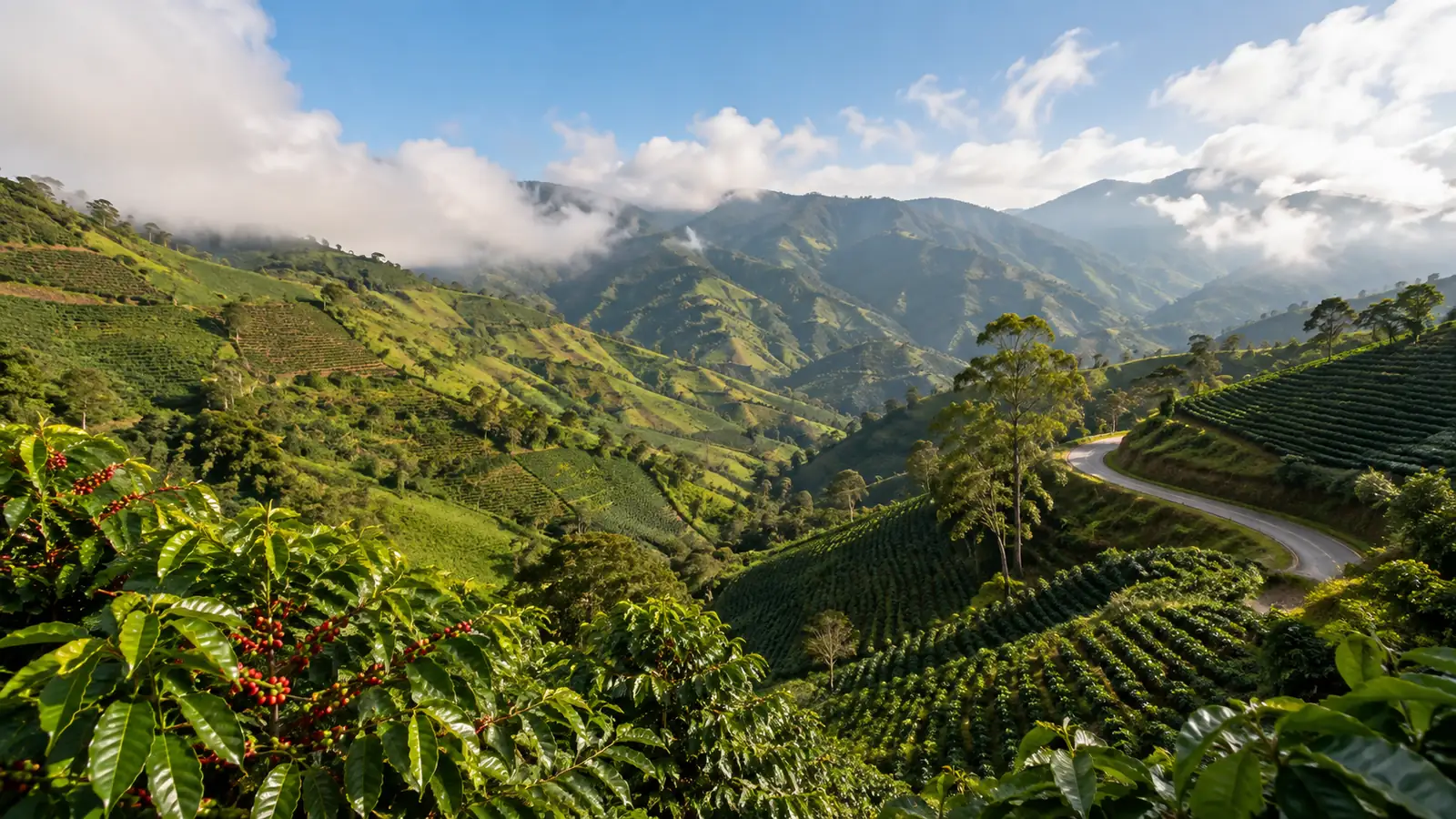
Cali, Pereira, Quibdó and Manizales are the central cities of Colombia's coffee-growing region. That an entire producing region was hit simultaneously implies industrial damage alongside the human toll, but no industry assessment has been published.
4. Where international assistance stands
Colombia declared a national disaster and deployed soldiers to the affected area. Mexico has prepared a contingent of 255 search-and-rescue specialists along with humanitarian supplies, to be sent as soon as Colombia formally requests it.
This is where disaster diplomacy meets the clock. International rescue teams deploy on a formal request from the affected state, and the request and reception arrangements take a day or two. During that interval the 72-hour window in which trapped survivors are most often recovered runs down. Measured from the August 10 event, that window has already closed.
5. What is unresolved
Every figure in this article is provisional. Death tolls in particular are likely to move sharply once the epicentre is reached; initial counts falling short of the final count by half or more is not unusual in mountainous disasters.
The 3,000 missing should not be read as 3,000 additional deaths. Nor is there a basis for assuming the number will collapse. What is established is that 3,000 reports have been filed and many remain unresolved.
Mexico's actual deployment, the scale of coffee-sector damage, and the aftershock outlook are all unconfirmed.
What the magnitude number measures, and how it differs from the intensity figures that describe shaking at a given location, is covered in "What magnitude 7.4 means."
Sources
- CNBC — Colombia quake death toll tops 250 as rescuers race to find survivors
- CNN — August 11, 2026: Rescuers unable to reach Colombia earthquake epicenter as more than 200 dead
- CNN — August 10, 2026: Death toll rises to 132 following 7.4 magnitude earthquake
- Al Jazeera — Colombia declares emergency after magnitude 7.4 earthquake
- NPR — Magnitude 7.4 quake rocks western Colombia
- NBC News — More than 160 killed in Colombia's strongest earthquake in years
- Newsweek — Map shows where the 7.4 magnitude quake struck