Korea's Liberation Day address: Lee proposes ending the old war
At the 81st Liberation Day ceremony at Sejong Center in Seoul on August 15, 2026, President Lee Jae-myung told North Korea to ’set down our mutual intent to threaten each other and begin discussions among the parties to end the old war’, and set out ’an irreplaceable Korea’ as the national vision succeeding liberation, industrialisation and democratisation
The three lines
- To Pyongyang — 'Set down our mutual intent to threaten each other and begin discussions among the parties to end the old war.' The framing is converting the armistice into a peace regime
- National vision — 'an irreplaceable Korea': a country the world genuinely needs, that every country wants to work with, and that no other country can replace
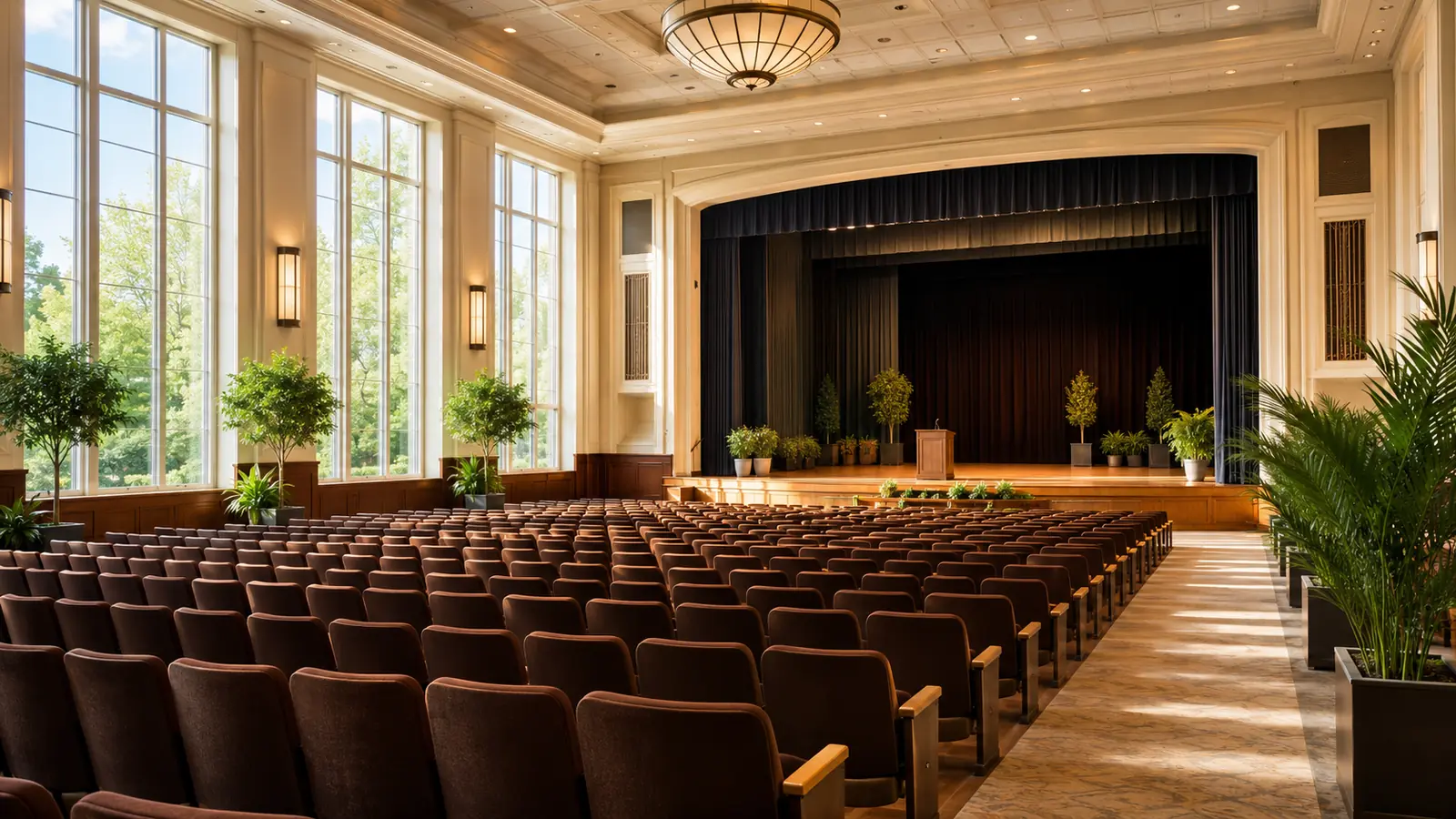
- The ceremony — Sejong Center for the Performing Arts, about 3,000 attendees including surviving patriots, families of independence activists and the Seoul diplomatic corps
Key questions
- What did President Lee actually say on Liberation Day 2026?
- Three strands. First, a direct proposal to North Korea: set down mutual threats and open discussions among the parties to end the long war. Second, a national vision he called 'an irreplaceable Korea' — a country the world genuinely needs, that every country wants to cooperate with, and that no other can substitute for. Third, historical accounts: expanded identification and honouring of independence activists, and stronger recovery of assets accumulated through collaboration with the colonial administration.
- How is this different from last year's address?
- The character of the North Korea passage changed. In his first year in office, Lee made a declaration of principle — that Seoul respects the North's system and will not pursue absorption unification in any form. The 2026 address moves from that principle to a concrete proposal to begin talks. His office described the shift as moving from principle into practice.
- Is this a call for a formal end-of-war declaration?
- The address did not use that term. The wording was 'begin discussions among the parties to end the old war.' The Korean War stopped with the 1953 armistice but was never legally concluded, and the proposal reads as converting that armistice into a peace regime. Who counts as a 'party' — the two Koreas alone, or also the United States and China — was not specified in the address.
Every South Korean president gives a Liberation Day address. The task for a reader is separating the sentence that is new from the sentences that recur.
On August 15, 2026, at the 81st ceremony, the new sentence was this.
"Let us set down our mutual intent to threaten each other, and begin discussions among the parties to end the old war."
1. The occasion
| Item | Detail |
|---|---|
| Anniversary | 81st |
| Date | Saturday, August 15, 2026 |
| Venue | Sejong Center for the Performing Arts, Jongno, Seoul |
| Theme | "An irreplaceable Korea, brighter tomorrow" |
| Attendance | ~3,000: surviving patriots, families of independence activists, senior officials, the Seoul diplomatic corps, citizens and students |
For readers outside Korea: August 15 marks the end of Japanese colonial rule in 1945 and, three years later, the founding of the Republic of Korea in 1948. It is a public holiday. Because it fell on a Saturday in 2026, Monday August 17 became a substitute holiday — the mechanism is explained in "Korea's substitute holiday on August 17."
2. North Korea: from principle to proposal
| Aspect | 2025 (first year in office) | 2026 |
|---|---|---|
| Form | Declaration of principle | Concrete proposal |
| Core sentence | "We respect the North's system and will not pursue absorption unification in any form" | "Set down mutual threats and begin discussions to end the old war" |
| What it asks of the other side | Nothing — unilateral | A negotiating table |
Last year's sentence stated what Seoul would not do. This year's sentence proposes something both sides would do. The presidential office described the change as moving from principle into practice.
One point of precision. The address did not use the phrase "end-of-war declaration." What it used was "discussions among the parties to end the old war." The Korean War halted with the 1953 armistice and was never legally concluded; the president framed the goal as turning "an armistice regime into a peace regime."
Who the parties are was left open. The armistice was signed by the UN Command, North Korea and China — not by South Korea. Whether the proposal contemplates a bilateral track or a broader one is not resolved by the text of the address.
3. "An irreplaceable Korea"
The vision section is built as a sequence.
| Stage | Marker |
|---|---|
| The light of liberation | 1945 |
| The light of industrialisation | — |
| The light of democratisation | — |
| A new liberation | What is needed now |
The sentence: "We who have lit the light of liberation, the light of industrialisation and the light of democratisation now need a new liberation that lifts the Republic of Korea one stage further."
"Irreplaceable" was defined in three layers — a country the world genuinely needs, a country every nation wants to cooperate with, and a country no other can replace. The means named were spreading growth beyond the capital region and widening opportunity for young people facing a hard economy.
4. Historical accounts
| Item | Content |
|---|---|
| Independence activists | Expanded identification and commendation of unrecognised activists; stronger support for surviving patriots |
| Collaborator-era assets | Strengthened investigation and recovery of wealth improperly accumulated under colonial rule |
Both are strengthenings of existing statutory programmes. No target scale or budget was attached.
5. The same date, a different scene
On Japan, Lee acknowledged that the pain of history continues while committing to future-oriented cooperation, saying that cooperation should extend "warm consideration to those still enduring the suffering of that history."
In Tokyo that same morning, another scene was under way. Japan's defence minister Koizumi Shinjiro visited Yasukuni Shrine shortly after 7am, and Seoul's defence ministry summoned Japan's defence attaché in protest. That is covered in "Japan's defence minister visits Yasukuni on August 15."
August 15 is Liberation Day in Korea and the anniversary of surrender in Japan. The same date, two names — which is what places these two scenes side by side.
6. What is not settled
No response from Pyongyang had been reported at the time of writing.
"The parties" remains undefined, and how that word gets filled in changes the nature of the proposal.
There is no timetable. The address proposes beginning discussions; it does not set a process or a deadline.
The 3,000 attendance figure is the organisers' and was not independently checked.
Sources
- MT — President Lee on Liberation Day: 'Let the two Koreas sit down… begin discussions to end the war'
- Etoday — Lee sets out 'irreplaceable Korea' vision at 81st Liberation Day ceremony
- Daum News — Lee: 'Korea needs a new liberation… turn the armistice regime into a peace regime'
- News Culture — Lee stresses a new leap after liberation, industrialisation and democratisation
- YTN — The 81st Liberation Day ceremony: the keywords of the president's address
- Daum News — President Lee attends the 81st Liberation Day ceremony
- Korea Union News — 81st Liberation Day ceremony presents the 'irreplaceable Korea' vision