US-Iran escalation, September 2, 2026 — eight missiles at a Jordan base, three Gulf states intercepting
The confrontation between the United States and Iran widened on September 1 and 2, 2026, and for the first time it stopped being a two-party fight. President Trump announced large and powerful strikes on Iranian targets near the Strait of Hormuz, citing an Iranian attempt to lay sea mines in the waterway and eight missiles fired at a US base in Jordan, all of which US officials said were intercepted. On the morning of September 2, Kuwait, Jordan and Bahrain each issued alerts and intercepted incoming missiles, while Iran acknowledged that several targets had been hit and promised retaliation. Shipping through the Strait of Hormuz, which carries roughly a fifth of the world's seaborne oil, fell from 23 transits on August 26 to single digits at the end of August. Brent crude settled at 94.65 dollars a barrel on September 1, up 4.6 percent, and traded between 94 and 96 dollars on September 2 as the rally paused
The three lines
- Escalation — US strikes near Hormuz for a second time; Iran promises retaliation
- Spread — Kuwait, Jordan and Bahrain each intercepted missiles on the morning of September 2
- Effect — Hormuz transits fell from 23 to single digits; Brent settled at 94.65 dollars
Key questions
- Did the US strike Iran again?
- **Yes — this was the second round after August 31.** President Trump said US forces carried out 'large and powerful' strikes on Iranian targets near the Strait of Hormuz. Washington gave two reasons: that Iran had attempted to lay **sea mines** in the waterway, and that **eight missiles** were fired at a US military base in **Jordan**. US officials said all eight were intercepted. The scope had changed fast. The August 31 strike was confined to **two rocket launchers on Larak Island**, at the mouth of the strait. Within three days the target set had widened across southern Iran. Iran acknowledged that several sites were hit and said it would retaliate.
- Why were Kuwait and Bahrain intercepting missiles?
- **Because on the morning of September 2 the fighting stopped being bilateral.** Kuwait, Jordan and Bahrain each raised alerts and intercepted incoming missiles the same morning — meaning projectiles were heading in several directions at once. All three host US forces or sit on US logistics routes. There is an earlier data point in the same direction: on **August 19** the United Arab Emirates said two ballistic missiles had been fired toward its territory and halted **all trade and financial transactions with Iran** until further notice. Iran denied responsibility. The UAE has long been one of Iran's main commercial partners, and Dubai's re-export trade has functioned as a breathing hole under sanctions — so that measure was economic pressure of a different kind from a military response. It is also a separate event, two weeks before these strikes, and should not be folded into them.
- What happened to oil and shipping?
- **Transits fell first, and prices followed — the order matters.** Traffic through the Strait of Hormuz dropped from 23 vessels on August 26 to single digits at the end of the month. A strait is not closed by declaration; it is closed by the fact that **one ship was actually hit**. On the night of August 31 two very large crude carriers leaving the strait were struck, one of them operated by a South Korean shipping company, and owners and insurers then cancelled the next voyage themselves. Prices tracked that. On September 1 Brent for November settled at **94.65 dollars** (up 4.16 dollars, 4.6 percent) and WTI for October at **90.22 dollars** (up 4.46 dollars, 5.2 percent). On September 2 Brent traded between **94 and 96 dollars** as the advance stalled. Daily transit counts differ by tracking service, so no single day's figure should be treated as definitive.
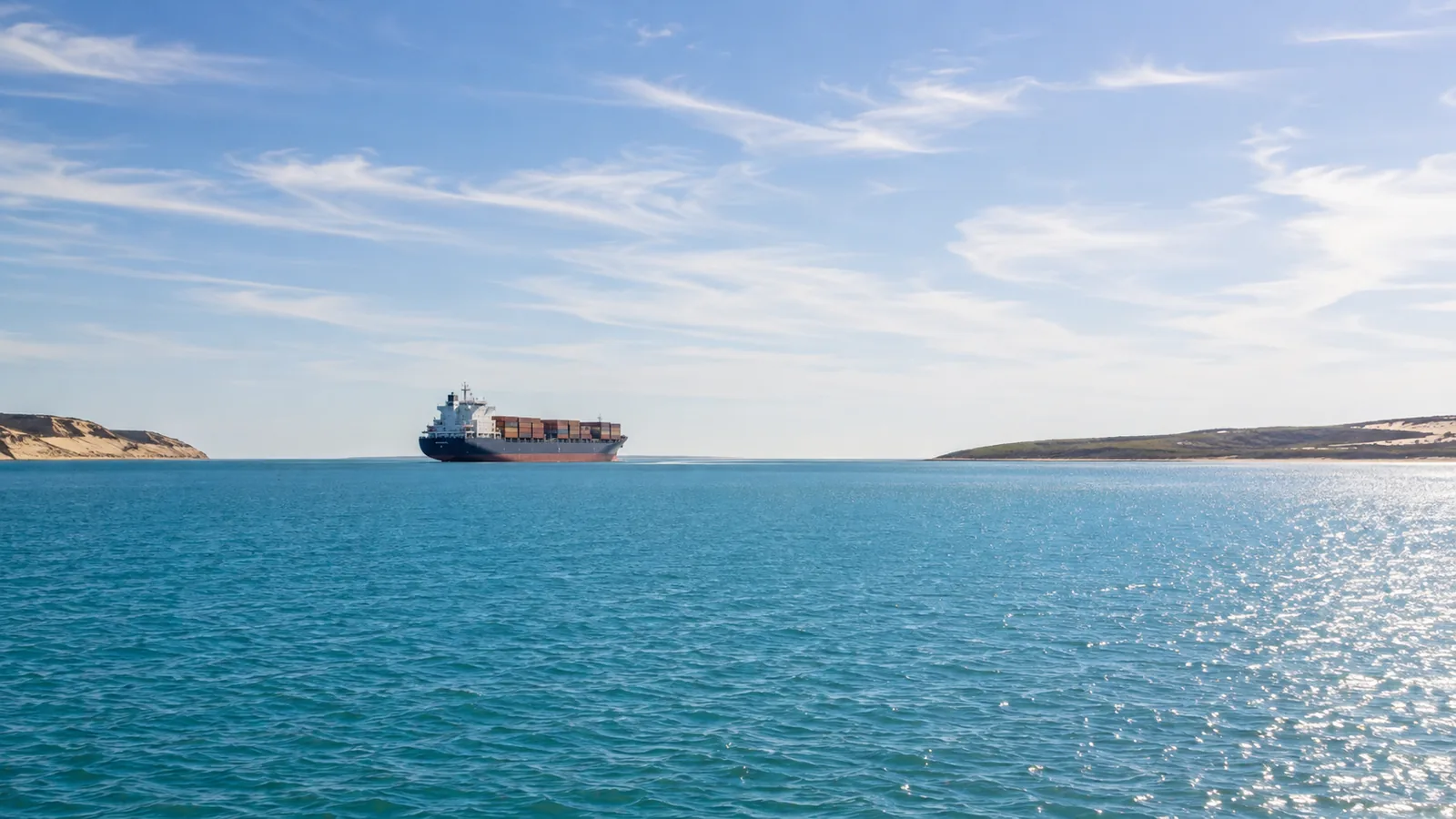
US forces struck Iranian targets near the Strait of Hormuz again, three days after the first round.
This time the fighting did not stay between two countries.
1. Three days
| Date | Event |
|---|---|
| August 31 | US strike on two rocket launchers, Larak Island |
| Night of August 31 | Two VLCCs hit leaving the strait; one operated by a South Korean firm |
| September 1 | US strikes across southern and southeastern Iran; Brent settles at 94.65 dollars |
| Morning of September 2 | Kuwait, Jordan and Bahrain raise alerts and intercept missiles |
Washington gave two justifications for the September 1 strikes:
- Iran attempted to lay sea mines in the Strait of Hormuz
- Eight missiles were fired at a US base in Jordan — all intercepted
Iran acknowledged that several targets were hit and promised retaliation.
2. What widened was the map
| Phase | Countries involved |
|---|---|
| Late August | United States · Iran |
| September 2 | United States · Iran + Jordan · Kuwait · Bahrain |
| Earlier, August 19 | UAE — all trade and financial transactions with Iran halted |
Three states intercepting on the same morning means projectiles were travelling in several directions simultaneously. Each hosts US forces or sits on US logistics routes.
The UAE measure belongs to a different category. It was not a military response but an economic severance, and it came two weeks before these strikes. Dubai's re-export trade has been one of the few channels left open to the Iranian economy under sanctions.
3. Shipping and prices
| Indicator | Value |
|---|---|
| Hormuz transits, August 26 | 23 vessels |
| Hormuz transits, end of August | single digits |
| Brent November (Sept 1 settle) | 94.65 dollars (+4.16, +4.6%) |
| WTI October (Sept 1 settle) | 90.22 dollars (+4.46, +5.2%) |
| Brent (Sept 2 intraday) | 94–96 dollars |
A strait does not close by announcement. After two tankers were actually hit on August 31, owners and insurers cancelled the next voyages themselves. Closing a waterway by force requires a navy; emptying it requires one confirmed casualty and a rise in war-risk premiums.
On September 2 the oil rally paused, which is why Wall Street managed a rebound the same day.
4. How this reaches Seoul
| Step | Level on September 2 |
|---|---|
| Oil → inflation | Brent in the mid-90s |
| Inflation → rates | US 10-year at 4.79%, highest since November 2023 |
| Rates → equities | KOSPI −3.99% at 6,562.72 |
Middle East news reaches Korean share prices through those three cells, not through sentiment. The KOSPI's 273-point fall had no domestic trigger at all.
5. What is still open
- Damage — Iranian casualties and destruction from the September 1–2 strikes are not established.
- Attribution — the origin of the missiles fired toward Jordan, Kuwait and Bahrain rests on each government's statement.
- The mines — no evidence beyond US military statements has been published.
- Transit counts — trackers disagree; some put August 31 at five vessels, others at nine.
- Settlement prices — September 2 Brent was reported between 94.19 and 96.11 dollars. This page uses a range rather than a figure.
Sources
- The National — Oil surges above $95 on renewed US-Iran fighting and Hormuz disruption concerns
- CNBC — U.S. crude oil hits $90 per barrel following latest U.S. attacks against Iran
- Newspim — Global Market Report, September 2
- Bloomberg — S&P 500 Steadies After Three-Day Skid as Oil Prices Halt Advance
- TIME — UAE Suspends Trade With Iran After Reported Missile Strikes (August 19)
- Fortune — Current price of oil as of September 2, 2026