Why China's producer prices rose 5.7% in October 2026 — factory inflation at a 4-year high as consumer prices cool
China's producer price index rose 5.7% year on year in October 2026, according to data released November 9 — the fastest pace since June 2022 (6.1%), above the 5.3% Reuters poll forecast and up from 5.0% in September, the third straight month of acceleration. The statistics bureau cited sharp price rises in mining and raw materials. Consumer prices moved the other way: CPI slowed to 0.7% from 0.9%, missing forecasts, and core CPI eased to 0.8%. Factories are paying more but cannot pass the costs on to households weighed down by the property slump.
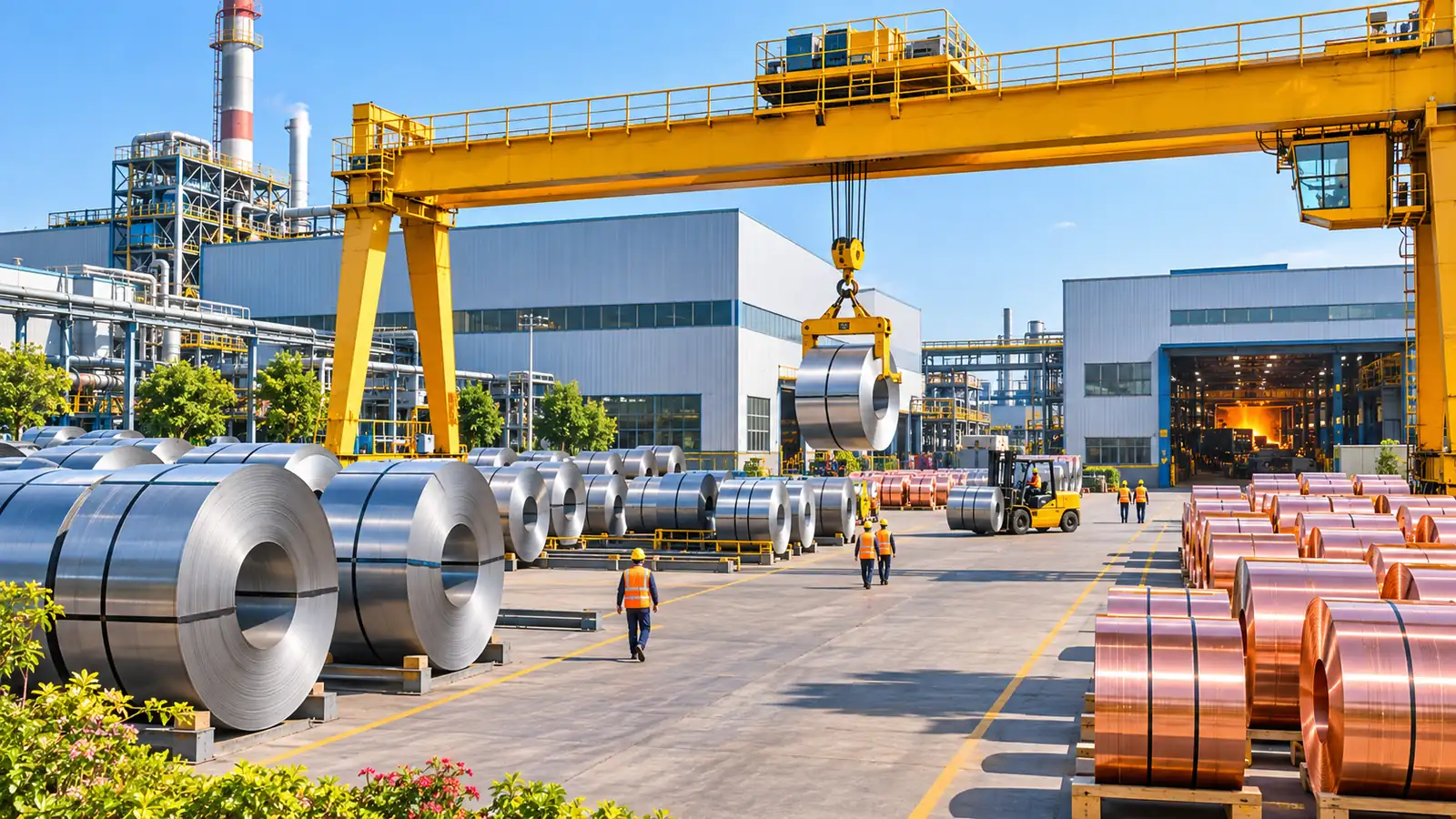
The three lines
- Factory prices — PPI +5.7%, highest since June 2022, third month of acceleration
- Consumer prices — CPI +0.7%, core +0.8%; gasoline up, food down
- Meaning — costs squeezed between strong export demand and weak domestic demand
Key questions
- china ppi october 2026
- **China's PPI rose 5.7% year on year in October 2026, the highest since June 2022.** | Indicator (Oct) | Actual | Forecast | September | |---|---|---|---| | PPI | +5.7% | +5.3% (Reuters poll) | +5.0% | | CPI | +0.7% | +0.8% | +0.9% | | Core CPI | +0.8% | +0.9% | +1.0% | | CPI month on month | 0.0% | — | — |
- why are china producer prices rising
- **The statistics bureau cited mining and raw materials. Analysts add elevated oil prices from Middle East tensions and strong external demand.** | Factor | Effect | Source | |---|---|---| | Mining and raw materials | Raises PPI | NBS via CNBC | | Gasoline | Raises CPI | NBS statistician Dong Lijuan | | Falling food prices | Lowers CPI | NBS | | Strong external demand | Raises PPI | Zhang Zhiwei, Pinpoint | | Property slump | Weighs on demand | Zhang Zhiwei |
- what does a wide ppi cpi gap mean
- **Producers' costs are rising faster than the prices they can charge consumers, so margins absorb the difference.** | Situation | PPI | CPI | Who is squeezed | |---|---|---|---| | China, Oct 2026 | +5.7% | +0.7% | Manufacturers of consumer goods | | Broad inflation | Up | Up | Consumers | | Deflation | Down | Down | Firms and households |
In China's factories, prices are rising at the fastest pace in four years. In its shops, they are slowing. The National Bureau of Statistics said on November 9, 2026, that the producer price index rose 5.7% year on year in October, the steepest increase since June 2022 (6.1%). It beat the 5.3% Reuters poll forecast and accelerated for a third straight month from 5.0% in September.
Consumer inflation went the other way, slowing to 0.7% from 0.9% and missing the 0.8% forecast — the first slowdown in three months. Core CPI, excluding food and energy, eased to 0.8% from 1.0%. The roughly five-point gap between the two numbers is the story.
1. Why factory prices jumped
The statistics bureau attributed the rise to sharp increases in mining and raw materials prices. Oil, kept elevated this year by Middle East tensions, is part of the backdrop. Zhang Zhiwei of Pinpoint Asset Management told CNBC the increase reflects "very strong" external demand. China's third-quarter growth beat expectations and September retail sales surprised to the upside.
| Period | China PPI (y/y) | Note |
|---|---|---|
| June 2022 | +6.1% | Pandemic-era commodity spike |
| September 2026 | +5.0% | |
| October 2026 | +5.7% | Forecast 5.3%, third month of acceleration |
2. Why consumer prices cooled
PPI and CPI usually move together with a lag. In October the link broke. Dong Lijuan, chief statistician of the bureau's urban division, said gasoline was the biggest upward contributor but a sharper-than-expected fall in food prices offset it. Month on month, CPI was flat.
| Measure | October | September | Driver |
|---|---|---|---|
| PPI | +5.7% | +5.0% | Mining, raw materials, oil |
| CPI | +0.7% | +0.9% | Gasoline (+) vs food (−) |
| Core CPI | +0.8% | +1.0% | Soft demand |
Zhang pointed to property: there is "no clear sign of stabilization," he said, which weighs on household confidence and local government revenue. When households hold back, companies cannot raise prices even as input costs climb — so margins take the hit.
3. What it means beyond China
China is the world's largest exporter of manufactured goods, so rising factory-gate prices can eventually feed into export prices. That matters for the US, which releases October CPI on November 10 and PPI on November 13 as the Federal Reserve weighs a December hike, and for Korea, which buys large volumes of Chinese intermediate goods. The CSI 300 rose 0.56% after the release. The 4% drop in oil on November 9 could temper next month's PPI, but with strong external demand also cited, a single commodity move is unlikely to settle the trend. Our report on the Nasdaq's November 9 rebound covers the same day's oil and market moves.
Sources
- CNBC — China wholesale inflation hits highest in more than four years as consumer measure slows (2026-11-09)
- InvestingLive — China October 2026 CPI +0.7% y/y (expected +0.8%, prior +0.9%)
- Xinhua — Economic Watch: China's consumer prices maintain mild recovery in October (2026-11-09)
- Seoul Economic Daily — China Producer Prices Jump 5.7%, Fastest in Over Four Years (2026-11-09)