Korea's two ladders: weather alerts vs disaster tiers
Weather alerts grade the hazard; the disaster HQ tiers grade the government's response
The three lines
- Korea runs two parallel ladders: KMA weather alerts and interior-ministry disaster tiers
- Heat HQ level 2 needs 35C-plus forecast across 60% of zones for three days or more
- Level 1 is agency response, level 2 joint central-local, level 3 all-of-government
Key questions
- What is Korea's disaster headquarters system
- The Central Disaster and Safety Countermeasures Headquarters is the government's command post for major disasters, run by the interior ministry in three escalating tiers of mobilisation.
- How do disaster tiers differ from heat alerts
- Heat alerts (advisory, warning, critical) are the weather agency's grading of the hazard itself. Disaster tiers grade how much of the state is mobilised to respond. One is the cause dial, the other the response gear.
- What changes for residents at level 2
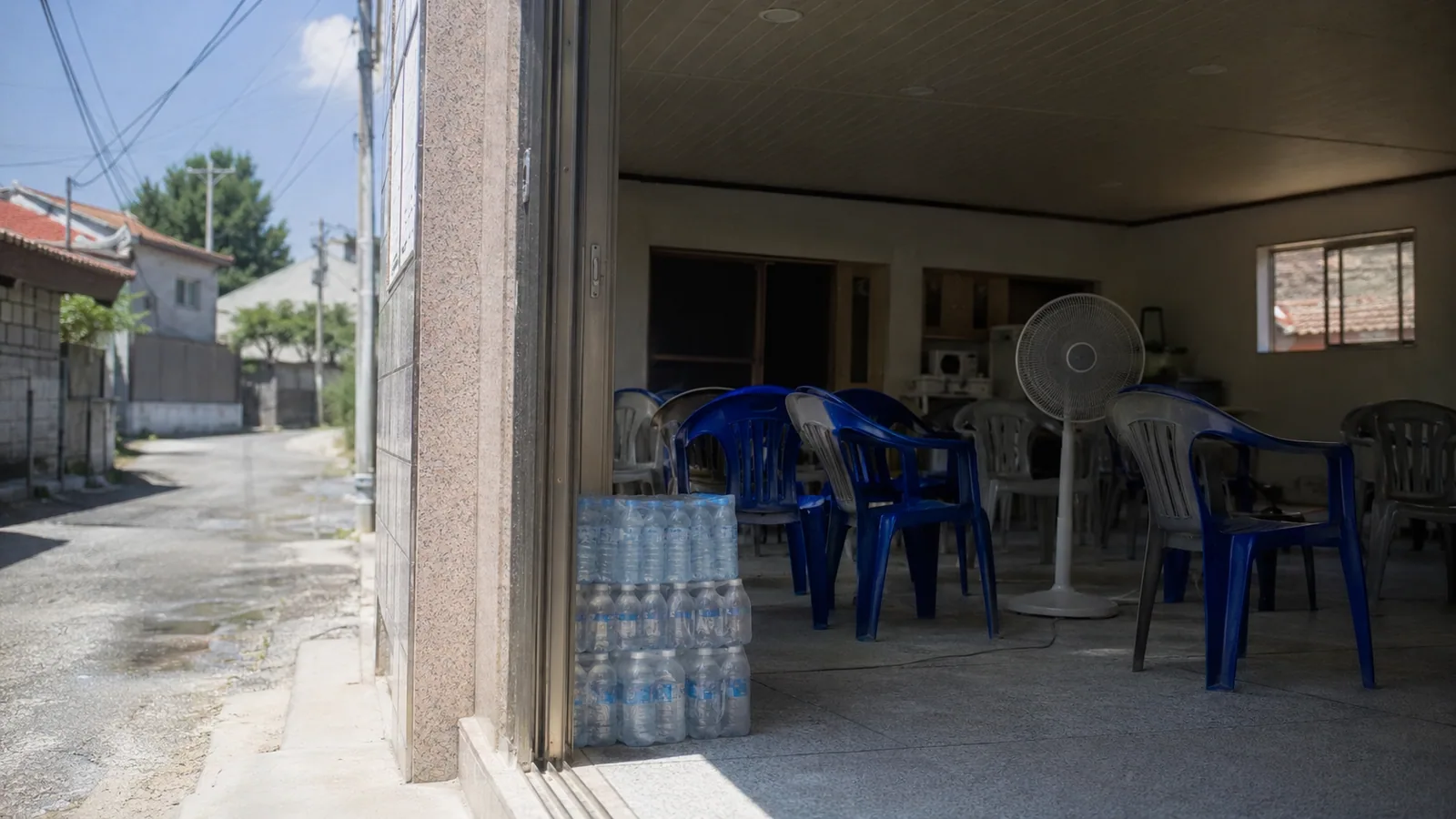
- More disaster texts, extended cooling-shelter hours, outdoor-work suspension advisories, and door-to-door checks on vulnerable and elderly residents — implemented at municipal level jointly with central agencies.
Korea escalated its heat response to "level 2" on Sunday, and the natural question for anyone following along is what that number belongs to — especially since Korea also grades heat with alerts called advisory, warning and critical. The answer: the country runs two parallel ladders, and knowing which is which decodes every disaster headline.
1. Two ladders, two questions
The first ladder measures the hazard. The Korea Meteorological Administration issues heat alerts on felt temperature: advisory at 33C, warning at 35C, critical at 38C. It answers "how dangerous is the weather?"
The second ladder measures the mobilisation. The Central Disaster and Safety Countermeasures Headquarters — run by the interior ministry — activates in three tiers that answer a different question: "how much of the state is responding?" Sunday's move put heat response at tier 2 for only the second time ever.
2. The tiers
| HQ tier | Trigger (heat) | Scope |
|---|---|---|
| 1 | 'severe' heat crisis alert | relevant agencies |
| 2 | 35C+ across 60% of zones for 3+ days (or 38C+ across 40–60%) | central + local joint, field-level |
| 3 | nationwide large-scale damage imminent or occurring | all-of-government |
What residents feel from tier 2 is operational: more emergency texts, longer cooling-shelter hours, advisories suspending outdoor work in peak heat, and welfare checks on elderly and vulnerable residents — the prime minister's directive singled out elderly farm workers, who dominate Korea's heat fatalities.
Heat has driven the HQ to tier 2 only in 2018 (the year heat became a statutory disaster), 2023, and now — a three-times-in-history event, which is the real measure of this summer.
3. What is still open
Measures vary by municipality and disaster type; this piece covers the common heat framework. Whether tier 3 — never used for heat — comes into play depends on the forecast. The hazard-side ladder, including heat-stroke response, lives in our standing reference on Korea's heat alerts.