Nepal-Tibet glacier collapse flood (August 26, 2026) — 472 dead, 1,535 missing
A glacier collapsed on the morning of Wednesday, August 26, 2026 on the Nepal-Tibet border in the Himalayas, sending ice, water, rock and mud down river valleys at once. Entire villages were buried and roads, bridges and hydropower plants destroyed. As of Friday, August 28, Nepal had confirmed 469 dead and 977 missing, while Tibet reported 3 dead and 558 missing. Nepal says 644 of its missing are foreign nationals. The Trishuli river reportedly rose as much as 9 metres in 30 minutes. About 42 kilometres of road was destroyed, making helicopters the main access route, and roughly 1,550 people have been rescued. A barrier lake newly formed at the border is now the central danger
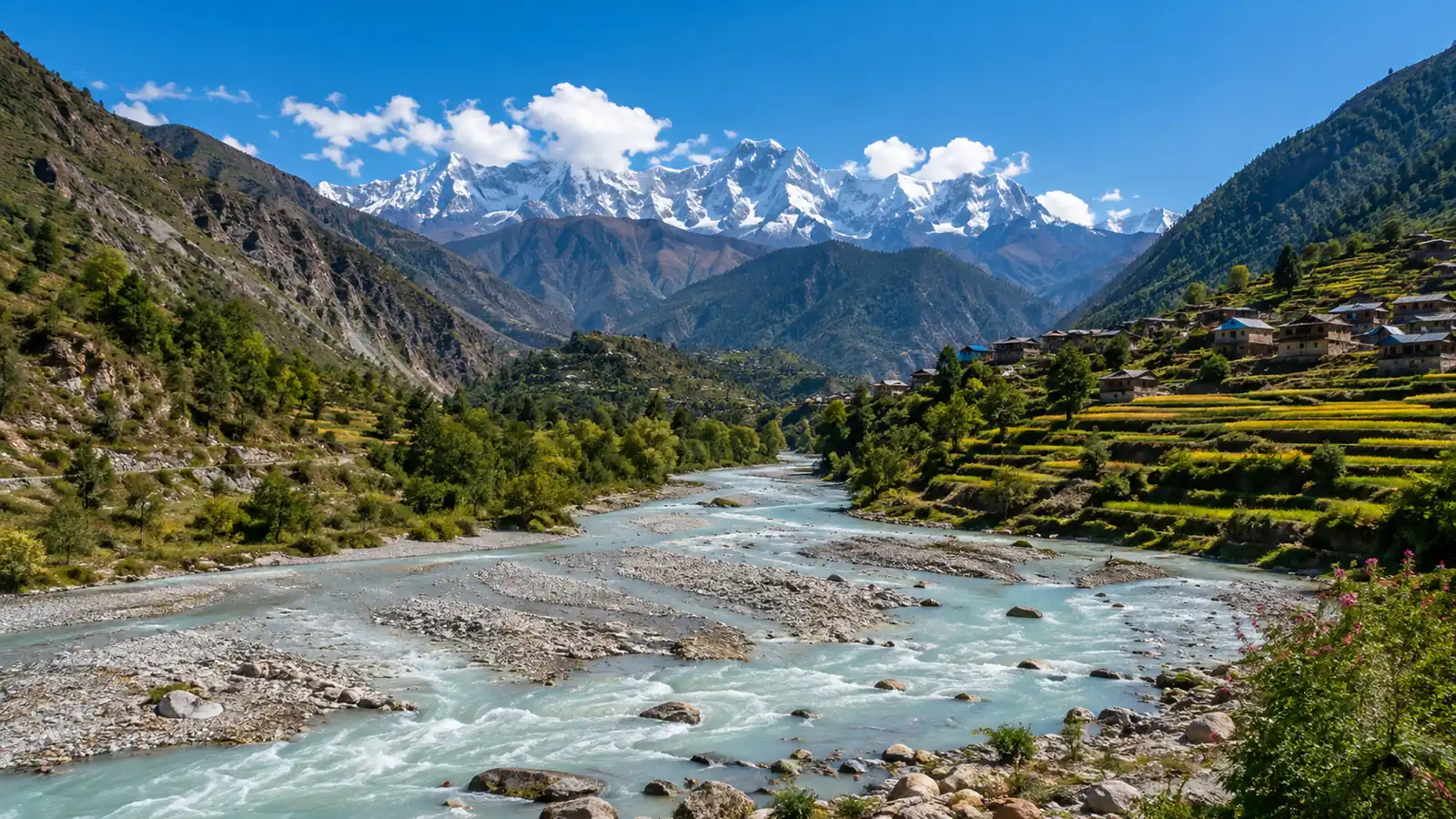
The three lines
- Toll — As of August 28: 472 dead (469 Nepal, 3 Tibet) and 1,535 missing (977 Nepal, 558 Tibet)
- Cause — A glacier collapse on the morning of August 26 sent ice, water, rock and mud down the valleys at once
- Now — A newly formed barrier lake at the border. If it fails, a second flood hits the same ground
Key questions
- How many people died in the Nepal flood?
- **As of Friday, August 28, confirmed deaths stood at 469 in Nepal and 3 in Tibet, a total of 472.** The number missing is far larger — **977 in Nepal and 558 in Tibet, totalling 1,535**. Nepali authorities say **644 of their 977 missing are foreign nationals**, and reports put the number of foreign tourists missing across Nepal and Tibet at **more than 800**; the timing coincided with the Himalayan trekking season. About **1,550 people have been rescued**, roughly **800 by helicopter** and **700 overland**. These figures continue to change as searches proceed.
- What actually happened?
- **A glacier collapsed, and ice, water, rock and mud came down the valley together.** It began at roughly **8:40 am local time on Wednesday, August 26** in the mountains along the Nepal-Tibet border. The **United States Geological Survey** confirmed the event as a **glacial collapse and debris flow** with catastrophic downstream impacts. As the flow travelled down the valleys, **entire villages were buried and roads, bridges and hydropower plants destroyed**. Speed is the defining feature of this disaster: water in the **Trishuli river reportedly rose as much as 9 metres in 30 minutes**. The worst damage is in Nepal's **Rasuwa district**, immediately south of the Chinese border.
- Is the area still in danger?
- **Yes. The newly formed barrier lake is the central risk.** Debris carried down by the flow dammed a river at the Nepal-China border, creating a natural lake. A substantial volume of water has already collected, and authorities expect considerably more to flow in over the next three days. If that natural dam fails, **a second flood would run down onto ground already destroyed**. Nepali police issued a fresh flood warning on Friday, August 28. Rescue conditions are difficult: about **42 kilometres of road** was destroyed, leaving helicopters as the main access route, and work near the border was suspended over mudslide risk. Nepal has deployed **30,000 security personnel** and China sent **500 military and paramilitary personnel**. Nepal **declined offers of international search teams** but **appealed for financial aid**.
A glacier collapsed in the Himalayas.
It began at roughly 8:40 am local time on Wednesday, August 26, in the mountains along the Nepal-Tibet border. Ice, water, rock and mud came down the river valleys together.
Entire villages were buried.
1. The toll (as of Friday, August 28)
| Nepal | Tibet | Total | |
|---|---|---|---|
| Dead | 469 | 3 | 472 |
| Missing | 977 | 558 | 1,535 |
Of Nepal's 977 missing, 644 are foreign nationals. Across Nepal and Tibet, reports put more than 800 foreign tourists among the missing. The timing coincided with the Himalayan trekking season.
About 1,550 people have been rescued.
| Method | People |
|---|---|
| Helicopter | about 800 |
| Overland | about 700 |
The missing outnumber the dead three to one. That gap is the current measure of this disaster.
2. Speed was the problem
The United States Geological Survey confirmed the event as a glacial collapse and debris flow with catastrophic downstream impacts.
A debris flow is not water. It is a mass of ice, rock and mud moving down a valley — different in weight and different in speed.
| Measure | Value |
|---|---|
| Onset | about 8:40 am local, August 26 |
| Trishuli river rise | up to 9 metres in 30 minutes |
| Worst-hit area | Nepal's Rasuwa district, just south of the Chinese border |
| Road destroyed | about 42 km |
Nine metres in half an hour leaves no time to move.
3. The current danger — the barrier lake
Debris carried down by the flow dammed a river at the Nepal-China border, forming a natural lake.
| Item | Status |
|---|---|
| Now | A substantial volume of water has already collected |
| Outlook | Considerably more expected over three days |
| Risk | Failure would send a second flood onto destroyed ground |
Nepali police issued a fresh flood warning on Friday, August 28.
A natural dam has no outlet works. Water rises until the structure gives way somewhere, and when it gives way is hard to predict. That unpredictability is the essence of the hazard.
4. Rescue conditions
| Item | Detail |
|---|---|
| Access | 42 km of road destroyed — helicopters are the main route |
| Suspended | Work near the border halted over mudslide risk |
| Nepal | 30,000 security personnel deployed |
| China | 500 military and paramilitary personnel sent |
| Survivors | Stranded more than 72 hours without adequate shelter or food |
Nepal declined international search teams while appealing for financial aid — a choice that likely reflects terrain that limits how many more people can usefully be inserted.
5. Why this recurs in the Himalayas
Glacial lakes bursting all at once is not new here. Nepal's 2024 Thame flood and India's 2023 Sikkim flood belong to the same family of events.
This one differs in scale and mechanism. A lake did not burst; the glacier itself collapsed.
Scientific attribution is still in progress. Whether temperature, rainfall or geology was decisive cannot be stated at this point.
6. What was not confirmed
- Counts — figures are as of August 28 and continue to change.
- Lake volume — reported in cubic feet; the metric equivalent and inflow projection were not confirmed against primary data.
- River rise — the 9-metre figure comes from one source; measurement point and method were not confirmed.
- Nationalities — the breakdown of the 644 missing foreign nationals was not confirmed.
- Hydropower — names, capacity and recovery outlook of destroyed plants were not confirmed.
- Cause — attribution of the collapse remains under investigation.
Sources
- Al Jazeera — Death toll from Nepal-Tibet flood surpasses 470 as barrier lake threatens
- Al Jazeera — Nepal-Tibet floods: What happened, what caused them and who is missing?
- Al Jazeera — Nepal-Tibet floods: What is a glacial collapse, how common is it?
- EarthSky — Nepal flash flood nightmare: What caused it?
- Wikipedia — 2026 Nepal floods
- Havana Times — International news briefs for Friday, August 28, 2026