Trump rejects Iran's 7-day Hormuz plan — why oil lost its direction in a day
President Donald Trump said on September 26, 2026 that he rejected Iran's seven-day plan to reopen the Strait of Hormuz, saying the deal would not be acceptable. Iranian Foreign Minister Abbas Araghchi had sent the plan through Qatar, offering to restore normal shipping within seven days and restart talks if conditions were met: an end to the US naval blockade of Iranian ports, a waiver of sanctions on Iranian oil sales, the release of 12 billion dollars in frozen assets and a regional ceasefire including Lebanon and Yemen. Oil fell on the offer, with Brent settling at 104.75 dollars and WTI at 92.60 dollars on September 25. The rejection came on a Saturday, so markets first react on September 28
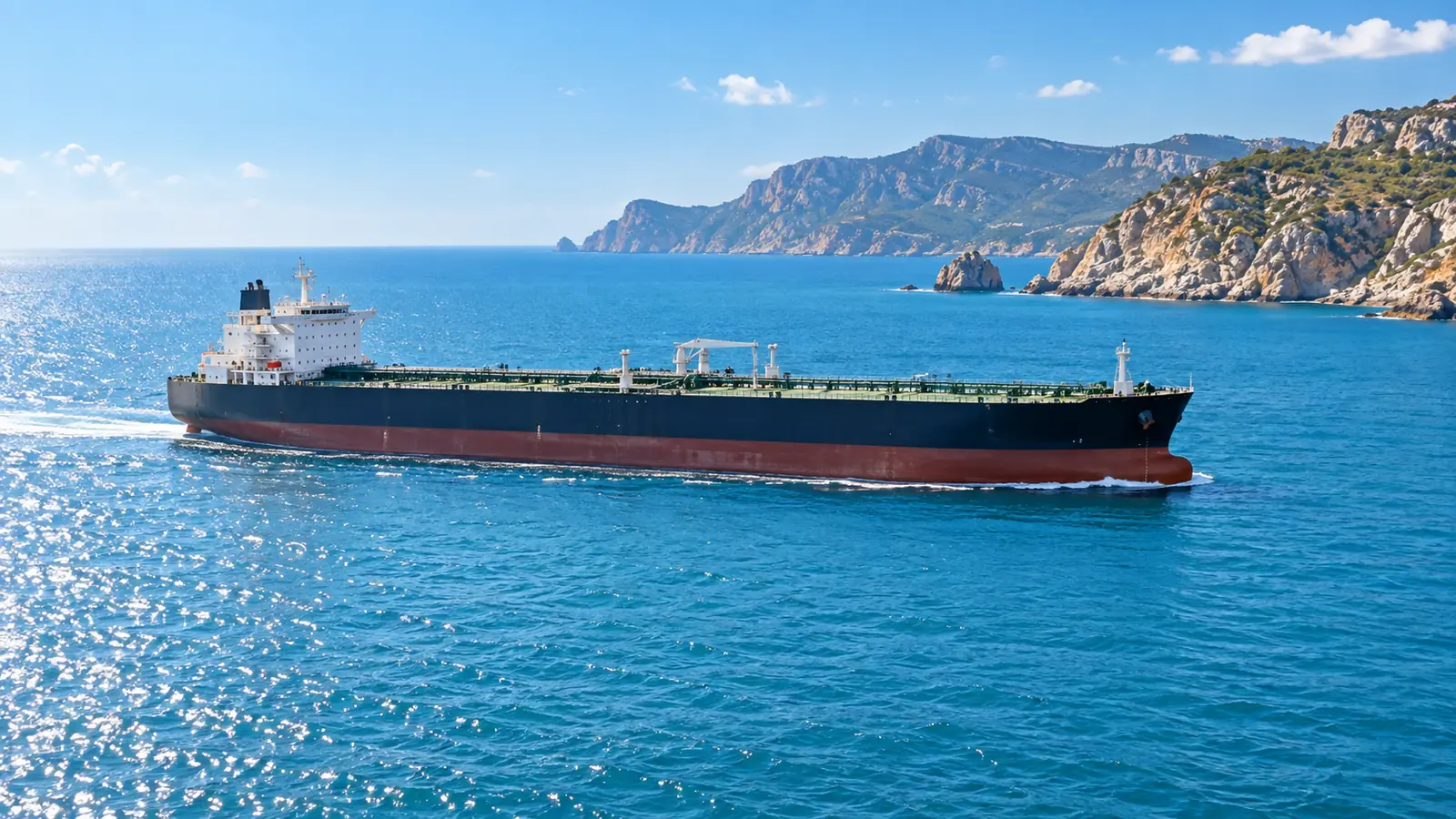
The three lines
- Rejection — Trump on September 26: the deal "would not be acceptable." Iran's seven-day roadmap, sent via Qatar, is effectively dead
- Terms — lift the naval blockade, waive oil sanctions, release 12 billion dollars in frozen assets, regional ceasefire; Iran says nothing beyond June's memorandum
- Oil — on the offer, Brent settled at 104.75 (−1.85) and WTI at 92.60 (−2.01) on September 25; the weekend rejection hits prices from September 28
Key questions
- What were the conditions in Iran's seven-day Hormuz plan
- **Iran offered to reopen the strait in exchange for four US steps.** | Iran offers | Iran demands | |---|---| | normal passage through Hormuz within seven days | 1. **end the naval blockade** of Iranian ports | | resumed nuclear talks | 2. **waive sanctions** on Iranian oil sales | | | 3. release **12 billion dollars** in frozen assets | | | 4. a **regional ceasefire**, including Lebanon and Yemen | Araghchi said the conditions were **nothing more than what the June 17 US–Iran memorandum of understanding contained.** That memorandum collapsed after disputes over vague wording, including who would control the strait.
- Why did Trump reject Iran's proposal
- **Trump argues Iran is losing and in a hurry.** | Speaker | Words | |---|---| | Trump, September 26 | "I reject their proposal" | | Trump | "They want to make a deal where they open the strait immediately because they're losing so badly" | | Trump | "That deal would not be acceptable" | | Reports (Al Jazeera, others) | Trump told aides he expects to **resume bombing after the November midterms** | | President Pezeshkian | "We have no trust in the American side" | **One side thinks the other is desperate; the other side does not trust it.** That leaves little room to negotiate terms.
- How do Hormuz talks affect oil prices
- **Oil is moving about 2% a day on single negotiation headlines.** | Date | Event | Brent | WTI | |---|---|---|---| | September 24 | rally before talks reports; intraday 108 | **106.60** (+3.4%) | 94.61 (+2.7%) | | September 25 | seven-day plan and phased reopening reports | **104.75** (−1.85) | **92.60** (−2.01) | | September 26 | Trump rejects (Saturday) | no trading | no trading | | Week of Sept 21–25 | | +0.36% | −4.07% | Friday's drop rested on **the hope that the strait might open.** The offer behind that hope has now been rejected, so the first thing to watch on September 28 is whether Friday's decline reverses. Oil was also the first cause behind the 10-year Treasury yield hitting 5.18% that week.
On Friday oil bet that the strait would open; on Saturday the reason for that bet disappeared. Boarding Marine One on the White House lawn on September 26, 2026, President Trump said he was rejecting Iran's seven-day plan to reopen the Strait of Hormuz.
1. What Iran offered, and what it asked for
On September 25, Iranian Foreign Minister Abbas Araghchi told reporters that Iran had sent the US, through Qatar, a "concrete seven-day plan." "If the necessary conditions are met, the strait can be reopened and normal maritime passage restored within seven days," he said.
| Iran offers | Iran demands |
|---|---|
| restore passage within seven days | end the naval blockade of Iranian ports |
| resume nuclear talks | waive sanctions on Iranian oil sales |
| release 12 billion dollars in frozen assets | |
| regional ceasefire including Lebanon and Yemen |
Araghchi said the terms were no more than what the June memorandum contained. Signed on June 17 by Trump and Iranian President Masoud Pezeshkian, that memorandum promised an end to the blockade and safe passage for commercial ships, but it collapsed amid disputes over vague wording about who would control the strait.
2. The rejection — "losing so badly" versus "no trust"
| Speaker | Words |
|---|---|
| Trump | "I reject their proposal" |
| Trump | "They want to make a deal where they open the strait immediately because they're losing so badly" |
| Pezeshkian | "We have no trust in the American side" |
| Araghchi | "The strait can be reopened … within seven days" if conditions are met |
"They want to make a deal and I think that's fine," Trump said. "But that deal would not be acceptable." An Al Jazeera correspondent said the proposal appeared "dead in the water." Reports say Trump told aides he expects to resume bombing after the November midterm elections. The conflict has been at an impasse for nearly seven months.
3. Why oil lost its direction
| Date | Event | Brent | WTI |
|---|---|---|---|
| September 24 | second day of gains, intraday 108 | 106.60 | 94.61 |
| September 25 | reports of seven-day plan and phased reopening | 104.75 | 92.60 |
| September 26 (Sat) | Trump rejects | — | — |
| Week (Sept 21–25) | +0.36% | −4.07% |
Friday's decline leaned on a single reason: the hope of reopening. The offer that created that hope was rejected a day later, over a weekend when markets were closed. Whether September 28 trading reverses Friday's drop is the first signal.
Diesel futures actually rose on Friday (4.8007 dollars a gallon, up 0.0704), a sign that refined-fuel shortages have not eased even as crude slipped. In the latest count only nine vessels crossed a strait that in peacetime carries about a fifth of the world's oil.
4. Where this oil price travels
| Channel | Confirmed this week |
|---|---|
| US rates | 10-year yield at 5.18%, highest since 2007, with oil the first cause |
| Business costs | September input costs up at the fastest pace in four years (S&P Global) |
| Importers | South Korea's energy imports up 27.9% in September 1–20 |
Oil has to ease for yields to rest, and yields have to rest for stocks and borrowers to breathe. Hormuz is the first link in that chain.
5. What remains unconfirmed
- Iran's official response to the rejection has not been confirmed.
- WTI's September 25 close differs by source: 92.60 or 92.41 dollars.
- Renewed bombing after the midterms is reported from aides, not stated publicly.
- Whether the Qatar channel remains open has not been reported.
Sources
- Al Jazeera — Trump rejects Iran's seven-day roadmap to reopen Strait of Hormuz
- NPR — Trump calls Iranian plan to reopen Strait of Hormuz not 'acceptable'
- CNN — Trump rejects Iran's latest proposal to reopen the Strait of Hormuz
- CNBC — Iran offers to reopen Strait of Hormuz within 7 days and restart nuclear talks
- DTN — Crude Oil Futures Slip, ULSD Rises on U.S.-Iran Diplomacy
- France 24 — Trump rejects Iran's 7-day plan to reopen Strait of Hormuz